

We’ve all got that voice inside. You know the one—always ready with a comment, usually at the worst possible moment: You’re not good enough. Who do you think you are? Why bother?
For a long time, I have identified that voice and tried to push it away. Pretend I didn’t hear it. Power through. Every writing workshop I’ve ever attended posed this as the best way to deal with the inner critic. The problem is, when you shove it aside, it doesn’t actually leave. It just gets louder.
It reminds me of my eight-year-old grandson. If he needs something and I brush him off, he doesn’t stop needing me. He just raises his voice until I finally pay attention. Our inner critic works the same way.
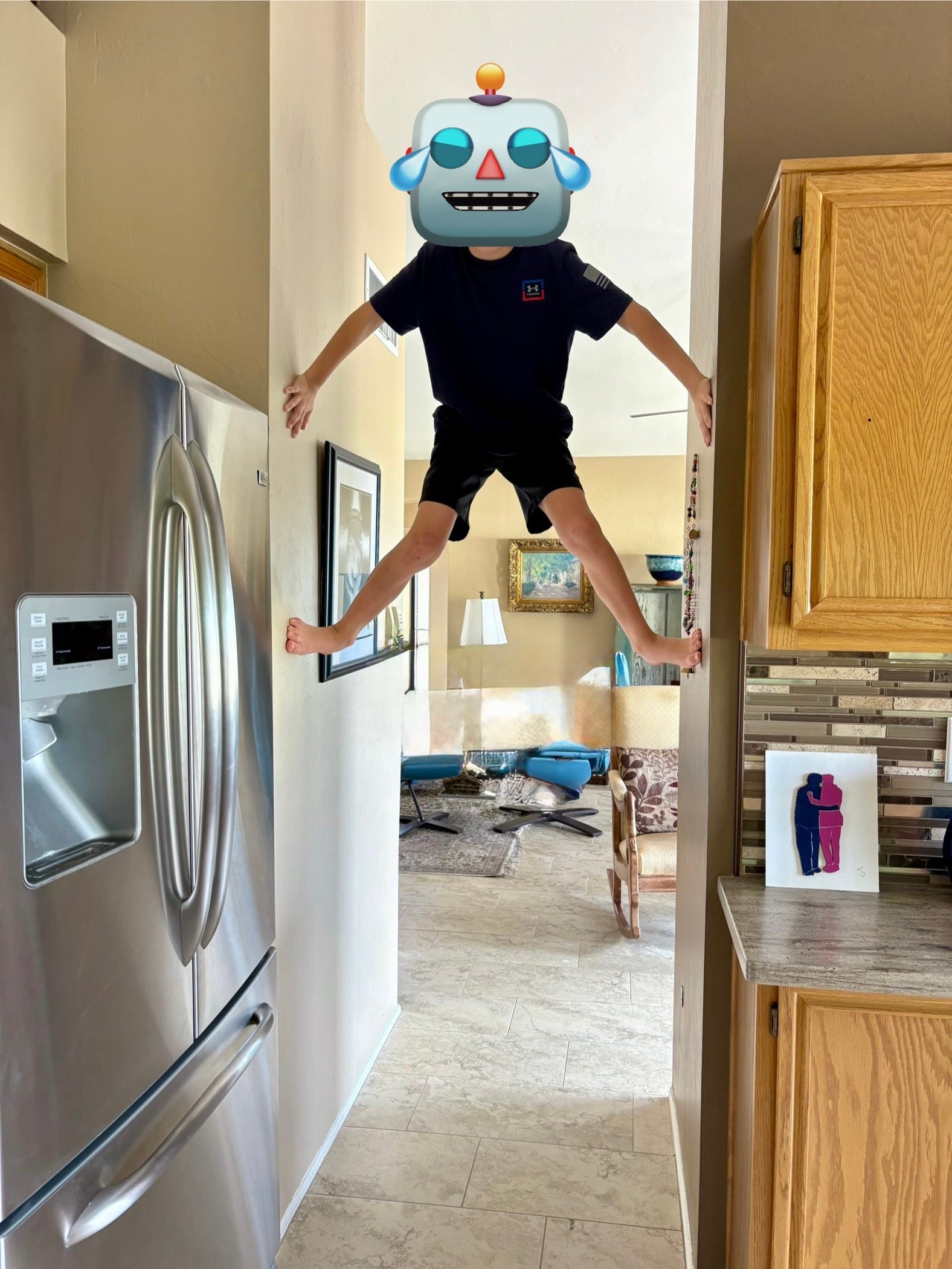
Lately, instead of fighting with that voice, I’ve been learning to get curious about it. Internal Family Systems (IFS) has been a huge help here. The simple idea is: there are no bad parts. Even the inner critic has a job. It may not feel helpful in the moment, but at the root, it’s trying to protect us.
So what if, instead of shutting it down, we treated the critic like a part of us we could sit down with and get to know?
One practice I love for this is the two-chair exercise. I used this recently in a writing workshop I’m teaching. You sit in one chair as your critic—really let yourself feel it, embody it, hear it. Then you move to another chair and face it. That’s the moment you realize: this isn’t all of me. It’s just a part of me. From there, you can start asking questions:
How often do you show up?
What’s your job?
What are you afraid would happen if you didn’t do this?
Do you feel like I ever appreciate you?
The answers can surprise you. Sometimes the critic softens. Sometimes it digs in. Either way, it feels different when you’ve listened instead of shoved it aside.
The point isn’t to get rid of the critic. It’s to build a relationship with it—just like you would with any other part of yourself. Relationships take honesty, trust, and a little bit of patience.
And here’s the fun part: once we’ve made space for that critic, we can loosen up and play a little. One of my favorite tools for writing is practicing “yes, and” instead of “yes, but.” The critic is the master of “but”—Yes, you wrote something, but it’s not good enough. When we swap that for Yes, and, it opens the door to more possibility, more flow.
For me, this whole process has been less about silencing the noise and more about learning to sit with it. Sometimes that voice just wants to be heard. And sometimes, when I listen, I discover it’s been carrying something important for me all along.
Hi Doraine, I enjoy your writing! 🤓 And I love that photo of your Grandson! 💙
Lovely reflection. Thanks for sharing and the photo in the post was priceless! ❤️